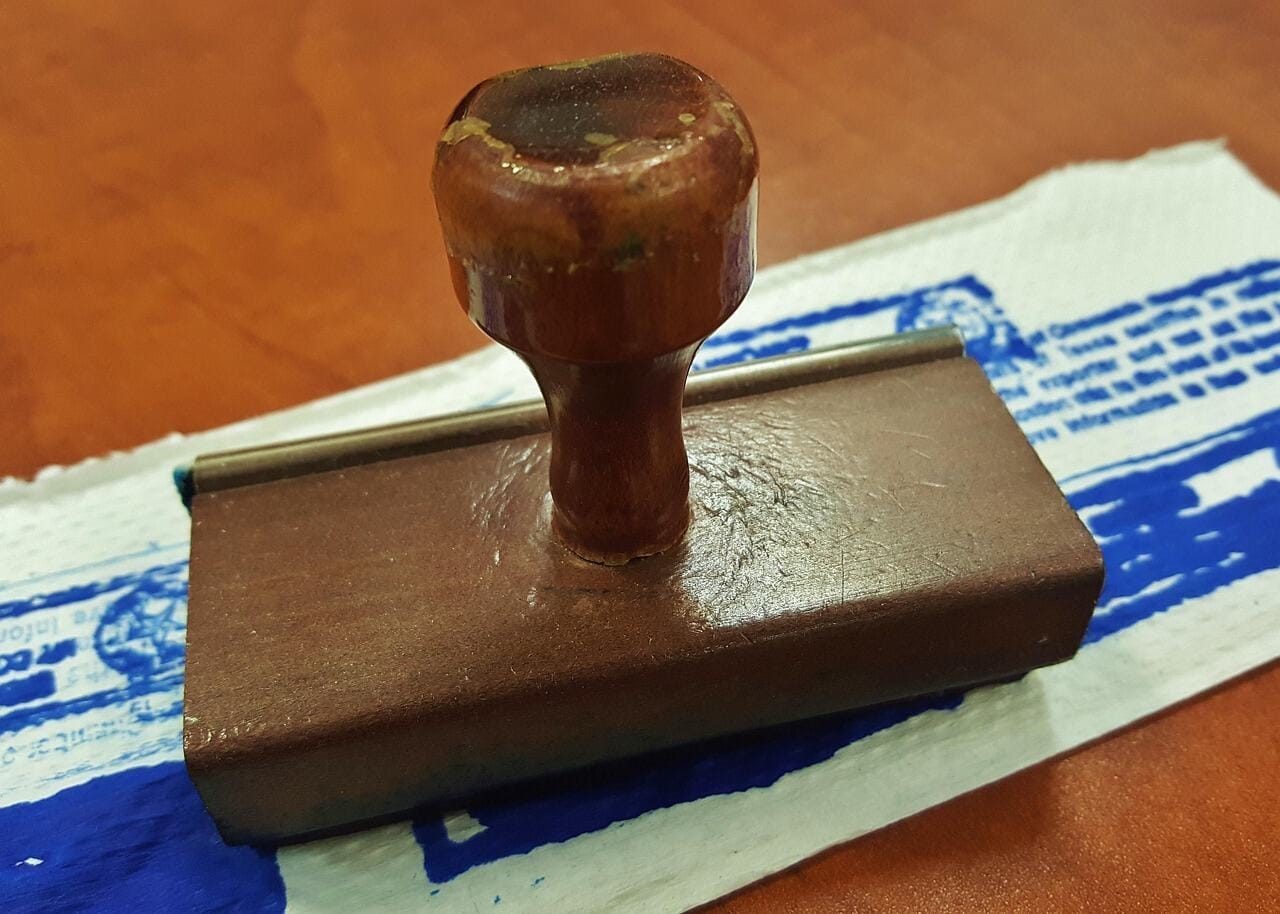

Rubber stamp used to legalise documents

Apostille and Sworn Translation for Paraguay: Which Documents, Where to Get Them and How Long They Last (by Country)

Residency & Immigration 5 min read

Why these three documents decide your file

Paraguay’s Dirección Nacional de Migraciones (DNM) accepts foreign public documents only if their authenticity is certified: by apostille if the issuing country is party to the Hague Convention of 1961 (Paraguay joined in 2014), or by consular legalisation plus the Paraguayan Ministry of Foreign Affairs otherwise. For a standard residency the documents concerned are the birth certificate, the civil status certificate (marriage, divorce, widowhood) and the criminal record from the country of origin and from any country where you lived in the last three years. Passports and national IDs are not apostilled; they are shown in original and copied before a notary.

Most rejected or delayed files we see share the same cause: a correct document with the wrong certification, an expired certificate or a translation that Migraciones does not recognise. This guide is the checklist we give clients before they leave home; the general document list is in our residency documents guide.

Where to get the apostille, country by country

CountryBirth / civil status certificatesCriminal recordNotes
SpainCivil Registry certificate; apostille by the Ministry of Justice (territorial offices) or High Court of JusticeCertificado de Antecedentes Penales (Ministry of Justice), electronic apostille availableNo translation needed; Spanish documents are accepted directly
ItalyEstratto per riassunto issued by the Comune; apostille at the PrefetturaCasellario giudiziale (Procura); apostille at the Procura della RepubblicaSworn translation into Spanish required
ArgentinaPartida from the provincial registry; apostille via Cancillería or Colegio de Escribanos (online TAD)Certificado de Antecedentes Penales (RNR), online, apostille onlineNo translation; often the fastest file
BrazilCertidão from the cartório; apostille at any authorised cartórioCertidão de antecedentes criminais (Polícia Federal), apostilledNo translation required for Portuguese
United StatesBirth certificate from the state vital records office; apostille by the Secretary of State of that stateFBI Identity History Summary; apostille by the US Department of StateSworn translation required; state and federal apostilles differ
GermanyGeburtsurkunde from the Standesamt; apostille by the competent Regierungspräsidium / BezirksregierungFührungszeugnis (Bundesamt für Justiz) with apostille by the BundesverwaltungsamtSworn translation required; request the international (multilingual) birth certificate where possible
United KingdomGRO certificate; apostille by the FCDO Legalisation OfficeACRO Police Certificate, apostilled by the FCDOSworn translation required
Non-Hague countriesLegalisation at the Paraguayan consulate in the issuing country, then at the Ministry of Foreign Affairs in AsunciónLonger timelines; start first

When a sworn translation is required and who can do it

Every document not written in Spanish must be translated. Migraciones accepts translations by a traductor público matriculado registered with the Supreme Court of Justice of Paraguay, or by a sworn translator abroad if the translation itself is apostilled or legalised. Documents in Portuguese are exempt. In practice we recommend translating in Paraguay: it is cheaper (USD 25–60 per page), faster and never questioned. The apostille must be translated too, as it is part of the document. Our sworn translation service handles birth certificates, criminal records, diplomas and corporate documents with turnaround in days.

Dictionary for sworn translations

Validity: how recent must documents be?

  • Criminal records must be current at filing. Where the certificate states no expiry, the DNM treats it as valid for about 90 days from issue; Interpol and Paraguayan police certificates are also valid 90 days.
  • Birth and civil status certificates do not expire in most countries, but Migraciones expects recent issues; as a rule, request them within 12 months of filing and re-request them if your civil status changed.
  • Apostilles have no expiry themselves; the underlying document’s validity governs.
  • Translations are valid as long as the document is.

Sequence matters: order the criminal record last, once the birth and marriage certificates are ready, and plan the trip to Asunción so that filing happens inside its 90-day life.

Apostille formats: paper, electronic and multilingual

Spain, Argentina, Brazil and several other countries now issue electronic apostilles (e-Apostille) with a verification code; the DNM accepts them printed, and the escribano can verify them online. Countries of the Vienna Convention (Germany, Italy, Spain, Austria, Switzerland, among others) issue multilingual civil status extracts that include Spanish, which spares you a translation of the certificate itself, although the apostille attached to it is still in the local language. Ask specifically for the international format when you request the document.

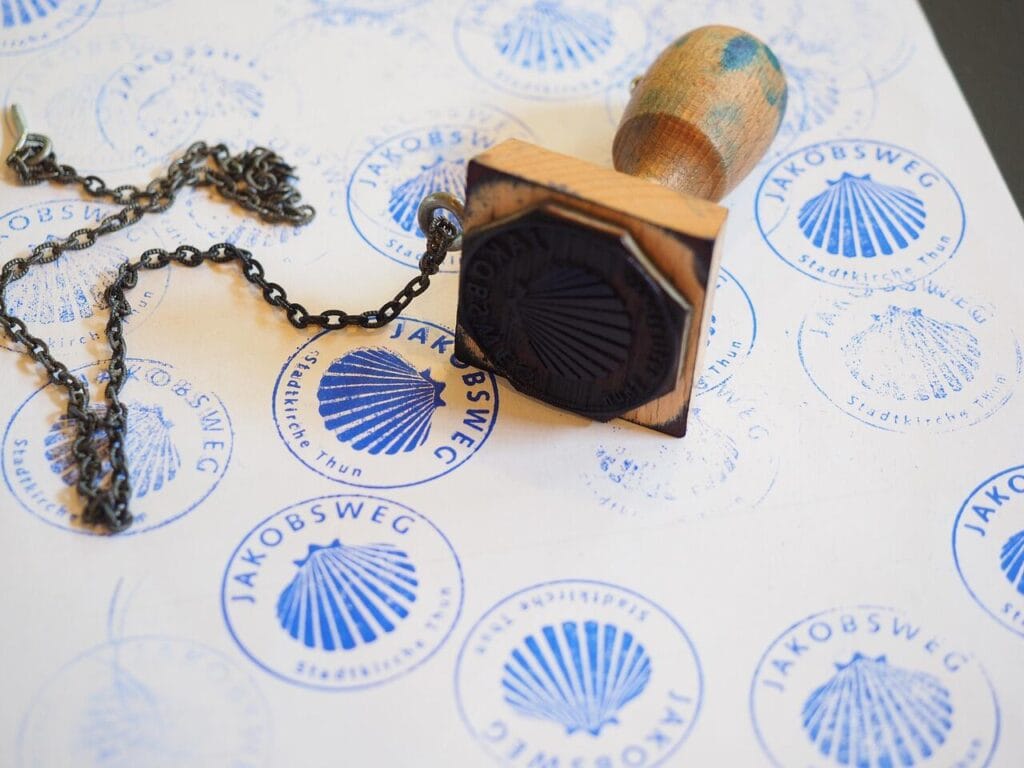
Ink stamps on official documents

The five most common rejection causes

  1. Apostille placed on a photocopy instead of the original certificate.
  2. Criminal record from the country of nationality when the applicant lived elsewhere in the last three years, without the certificate from that country.
  3. Birth certificate in short form without parents’ names.
  4. Translation by a non-registered translator or without translating the apostille.
  5. Names or dates that differ between passport, birth certificate and criminal record (accents, second surnames, transliterations) without a rectification.

If any of these applies to you, fix it before travelling. We review your documents before you travel so that the in-person part in Asunción is as short as possible.

Frequently Asked Questions about Apostilles and Translations for Paraguay

Which documents need an apostille for Paraguay residency?

The birth certificate, the civil status certificate (marriage, divorce or death of spouse) and the criminal record from your country of origin and from any country where you lived in the last three years. Passports and IDs are not apostilled.

Where do I get an apostille in Spain, Italy or Argentina?

Spain: Ministry of Justice territorial offices or the High Court of Justice; Italy: Prefettura for civil documents and Procura della Repubblica for criminal records; Argentina: Cancillería or a Colegio de Escribanos online through TAD.

Do I need to translate my documents?

Yes if they are not in Spanish, by a sworn translator registered in Paraguay or a foreign sworn translator whose translation is apostilled. Documents in Portuguese are exempt.

How long is a criminal record valid for Migraciones?

About 90 days from issue when the certificate has no stated expiry. Interpol and Paraguayan police certificates are also valid 90 days, so the filing date must be planned around them.

Does an apostille expire?

No. The apostille itself has no expiry; what matters is the validity of the document it certifies and how recent Migraciones expects it to be.

What if my country is not in the Hague Convention?

The document is legalised at the Paraguayan consulate in the issuing country and then at the Ministry of Foreign Affairs in Asunción. It takes longer, so start with these documents.

Want to review your case with a specialist?

Tell us your situation and we will send you a first answer with the route that applies to your case and our fees.

See how it works

Legal Migration Paraguay team

Migration specialists working with a licensed Paraguayan attorney, based in Asunción. We handle residency, citizenship, company formation and tax residency files for foreign clients, and we update our guides whenever the DNM, SUACE or the tax authority change the rules. About us →

Scroll to Top