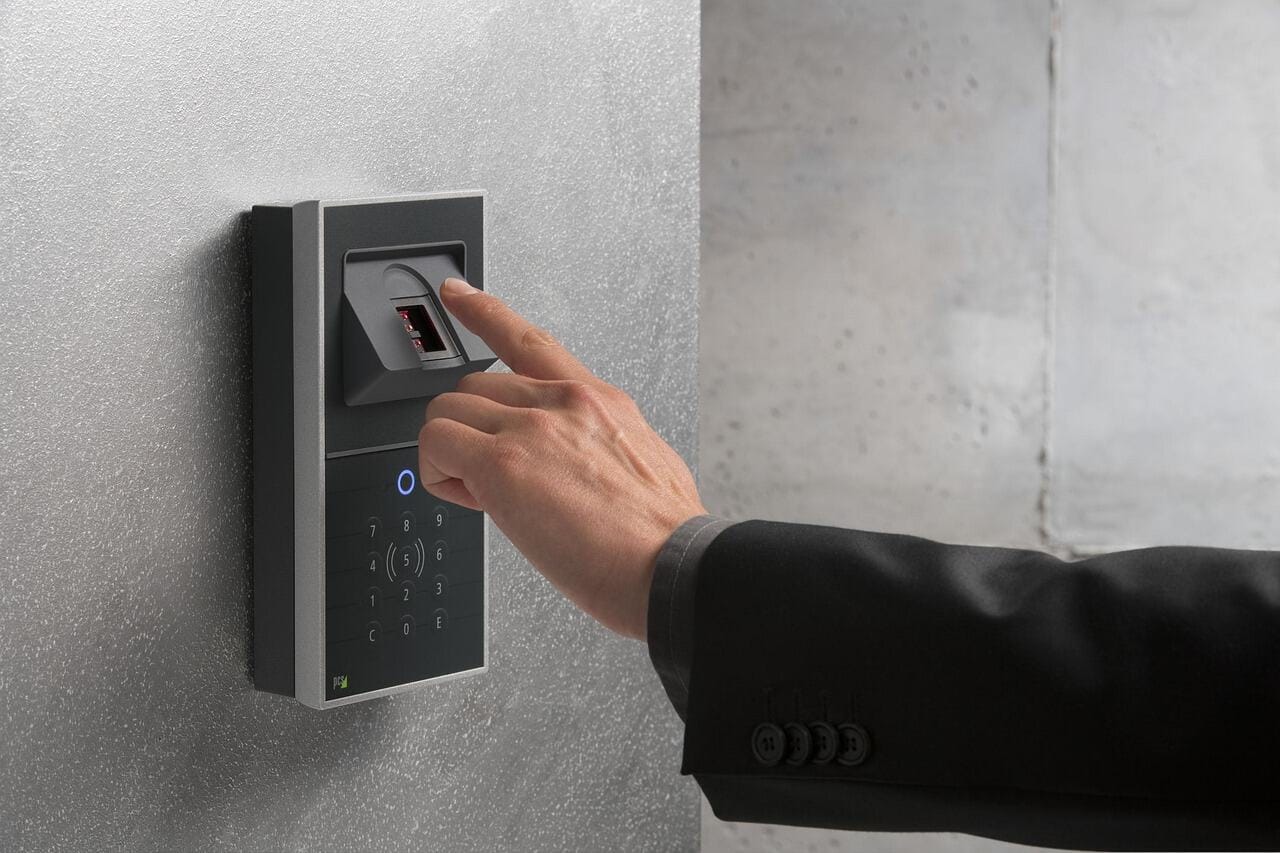


Fingerprint scan for the Paraguayan cédula

Paraguayan Cédula for Foreigners: How to Get It, Requirements and Timeline (2026)

Residency & Immigration 6 min read

What the cédula is and why it matters more than the residency card

The cédula de identidad paraguaya is the national ID card issued by the Departamento de Identificaciones of the National Police. For a foreigner it is the last step of the migration process and, in practice, the most important one: the residency card issued by the Dirección Nacional de Migraciones (DNM) proves your legal status, but almost every day-to-day procedure in Paraguay is done with the cédula number.

With the cédula you can open bank accounts, sign notarised contracts, register a company, obtain your tax number (RUC), exchange your driving licence, take out health insurance, buy property and travel within Mercosur without a passport. Without it, a resident is legally in the country but administratively invisible.

The cédula is not requested at Migraciones. It is a separate procedure, with its own requirements and its own office, that can only start once you hold a temporary or permanent residency.

Who can apply: temporary and permanent residents

Under Law 6984/22 both categories of resident are entitled to the cédula:

  • Temporary residents receive a cédula valid for the same period as their residency card (2 years). When the residency is renewed or converted to permanent, the cédula is reissued.
  • Permanent residents receive a cédula with a 10-year validity, aligned with the permanent admission card.

Tourists, holders of a pending application and people whose residency has expired cannot apply. Children apply through their parents or legal guardians; minors under 14 are exempt from the criminal-record requirements.

The 10 official requirements (Resolution 717/2026)

In August 2026 the National Police published Resolution 717/2026, which consolidates the requirements for a foreigner’s first cédula. The list is the same for temporary and permanent residents:

  1. Certificate of temporary or permanent residency (Certificado de Radicación), original, issued by Migraciones.
  2. Notarised copy of the admission card (Carnet de Admisión) issued by Migraciones.
  3. Notarised copy of your valid identity document from your country of origin (passport, or national ID for Mercosur citizens), with the Ministry of Foreign Affairs visa where applicable.
  4. Original birth certificate, apostilled (Hague Convention) or legalised by the Paraguayan consulate and the Ministry of Foreign Affairs.
  5. Proof of civil status: marriage certificate, divorce decree or spouse’s death certificate, apostilled or legalised.
  6. Certificado de Vida y Residencia, issued by the police station or Justice of the Peace of your address in Paraguay and certified by the Police Personnel Department.
  7. Criminal record from your country of origin (age 14 and over), apostilled or legalised.
  8. Interpol report issued in Asunción, certified by the Police Personnel Department and the Commander’s Office.
  9. Certificate of record for foreigners issued by the IT Department of the National Police.
  10. Notarised copy of the Foreigner Registration Card (Carnet de Registro Extranjero), issued at the office next to Comisaría 1ª in the Sajonia neighbourhood of Asunción.

Any document not written in Spanish must be translated by a sworn translator registered with the Supreme Court; Portuguese documents are exempt. Originals must be shown even when a notarised copy is filed, and copies must be on uncut sheets.

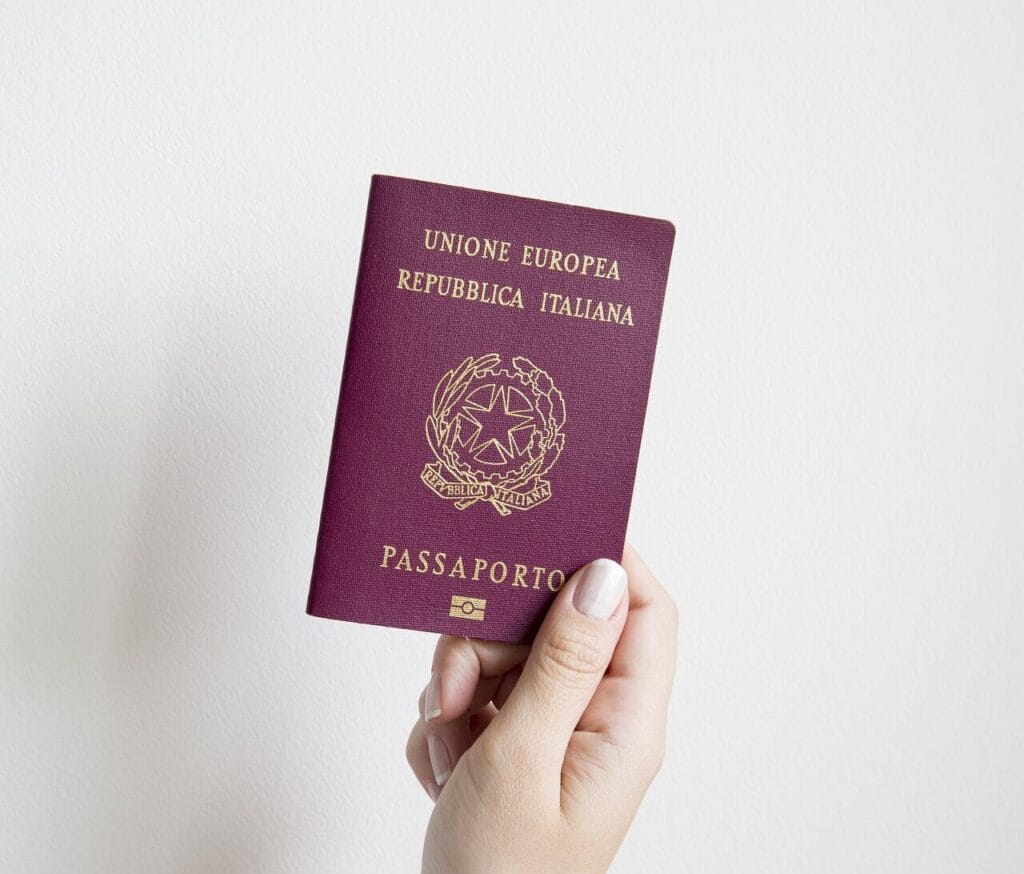
Passport from the country of origin, required for the cédula

Step by step: from residency approval to cédula in hand

  1. Collect your residency card and request the Certificado de Radicación at Migraciones.
  2. Obtain the Foreigner Registration Card (Registro de Extranjeros).
  3. Request the local certificates: Interpol, National Police IT Department and Certificado de Vida y Residencia. Several of these are valid for only 90 days, so the order matters.
  4. Check your foreign documents: the birth certificate and criminal record used for the residency application can be reused only if they are still within their validity period and correctly apostilled and translated.
  5. Notarise the copies at a Paraguayan escribanía.
  6. File at Identificaciones, pay the fee and provide biometrics (photo, fingerprints and signature).
  7. Collect the cédula in person. Only the holder may collect it, at the Identificaciones branch where it was requested.

Most of these steps can be prepared in advance by your legal representative under a power of attorney, but the biometric appointment and the collection are personal.

Costs and timelines in 2026

The official fee published by the National Police for a foreigner’s first cédula is Gs. 8,500 (roughly USD 1.20). What actually costs money is the paperwork around it: the police certificate (Gs. 24,500), notarised copies, apostilles and sworn translations, which vary by country of origin.

Timelines depend on the branch and the season. Biometrics are taken on the day of filing; issuance of the physical card ranges from a few days to several weeks, and the Police’s own reference deadline is up to 60 working days. Plan the application right after your residency is approved so that the local certificates do not expire while you gather the rest.

Fingerprint record for the identity card file

Renewal, loss and change of category

  • Renewal: a temporary resident renews the cédula together with the residency card. A permanent resident renews it every 10 years.
  • Expired cédula: you may still enter Paraguay with your passport and residency card, but banks and notaries will not accept an expired cédula.
  • From temporary to permanent: after the change of category is approved you must request a new cédula reflecting the permanent status; the number stays the same.
  • Loss or theft: file a police report and request a duplicate at Identificaciones; the requirements are lighter than for the first issuance.

Common mistakes that delay the cédula

  • Filing local certificates that have already expired (Interpol and Vida y Residencia are typically valid 90 days).
  • Using the birth certificate from the residency file after its apostille has passed the accepted validity.
  • Missing the Ministry of Foreign Affairs legalisation when the document comes from a country outside the Hague Convention.
  • Translations made by translators not registered in Paraguay.
  • Sending a relative to collect the card: it is delivered only to the holder.

At Legal Migration Paraguay we coordinate the cédula as part of every residency file, so the local certificates, translations and the biometric appointment are sequenced correctly. If you already hold a residency and need only the cédula, see how we work or write to us.

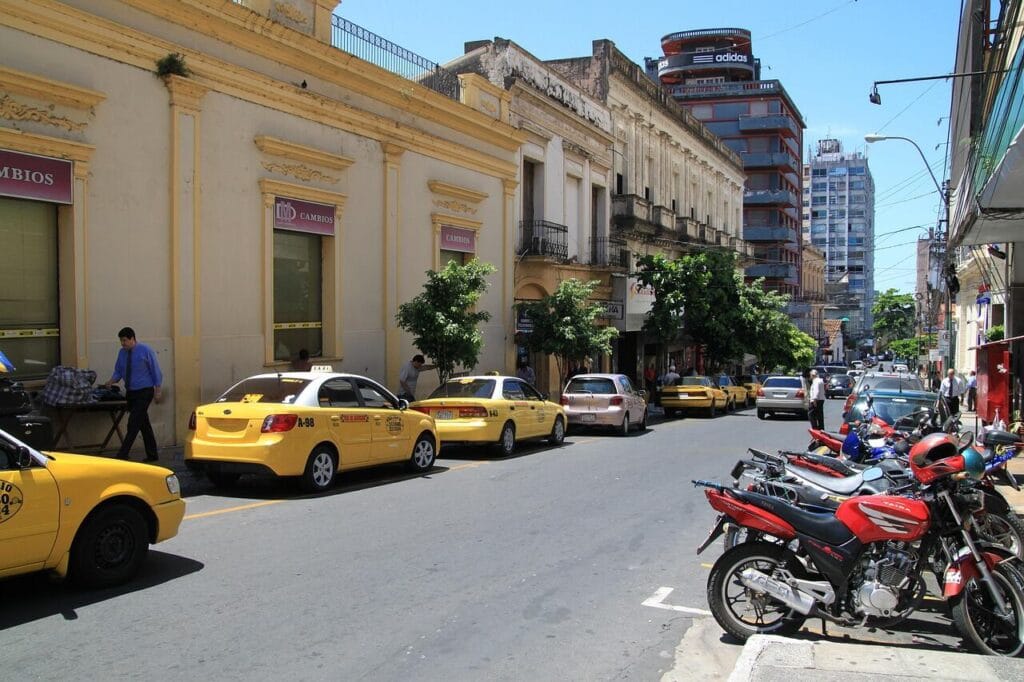
Street in the historic centre of Asunción

Frequently Asked Questions about the Paraguayan Cédula for Foreigners

Can I get the Paraguayan cédula without residency?

No. The cédula is issued only to foreigners who already hold a temporary or permanent residency granted by the Dirección Nacional de Migraciones. Tourists and applicants with a pending file cannot apply.

How much does the cédula cost for a foreigner?

The official fee is Gs. 8,500 for the first cédula, plus Gs. 24,500 for the police record certificate. The real cost lies in apostilles, sworn translations and notarised copies, which depend on your country of origin.

How long does it take to receive the cédula?

Biometrics are taken on the day of filing. The card is usually ready within days to a few weeks depending on the branch; the Police’s reference deadline is up to 60 working days.

How long is the cédula valid?

For temporary residents, as long as the residency card (2 years). For permanent residents, 10 years. When you change from temporary to permanent residency you request a new card with the same number.

Can I use the cédula to travel?

Yes, within Mercosur and associated states (Argentina, Brazil, Uruguay, Bolivia, Chile, among others) Paraguayan residents can travel with the cédula instead of a passport, subject to each country’s rules for foreign residents.

Do I need the cédula to open a bank account or get a RUC?

In practice yes. Banks and the DNIT ask for the cédula number, so the cédula is the gateway to a bank account, tax residency and company registration in Paraguay.

Want to review your case with a specialist?

Tell us your situation and we will explain the exact route, costs and timeline for your residency or company in Paraguay.

See how it works

Legal Migration Paraguay team

Lawyers and migration specialists based in Asunción. We handle residency, citizenship, company formation and tax residency files for foreign clients, and we update our guides whenever the DNM, SUACE or the tax authority change the rules. About us →

Scroll to Top